What Is a Flats Skiff? Definition, Features & How to Choose
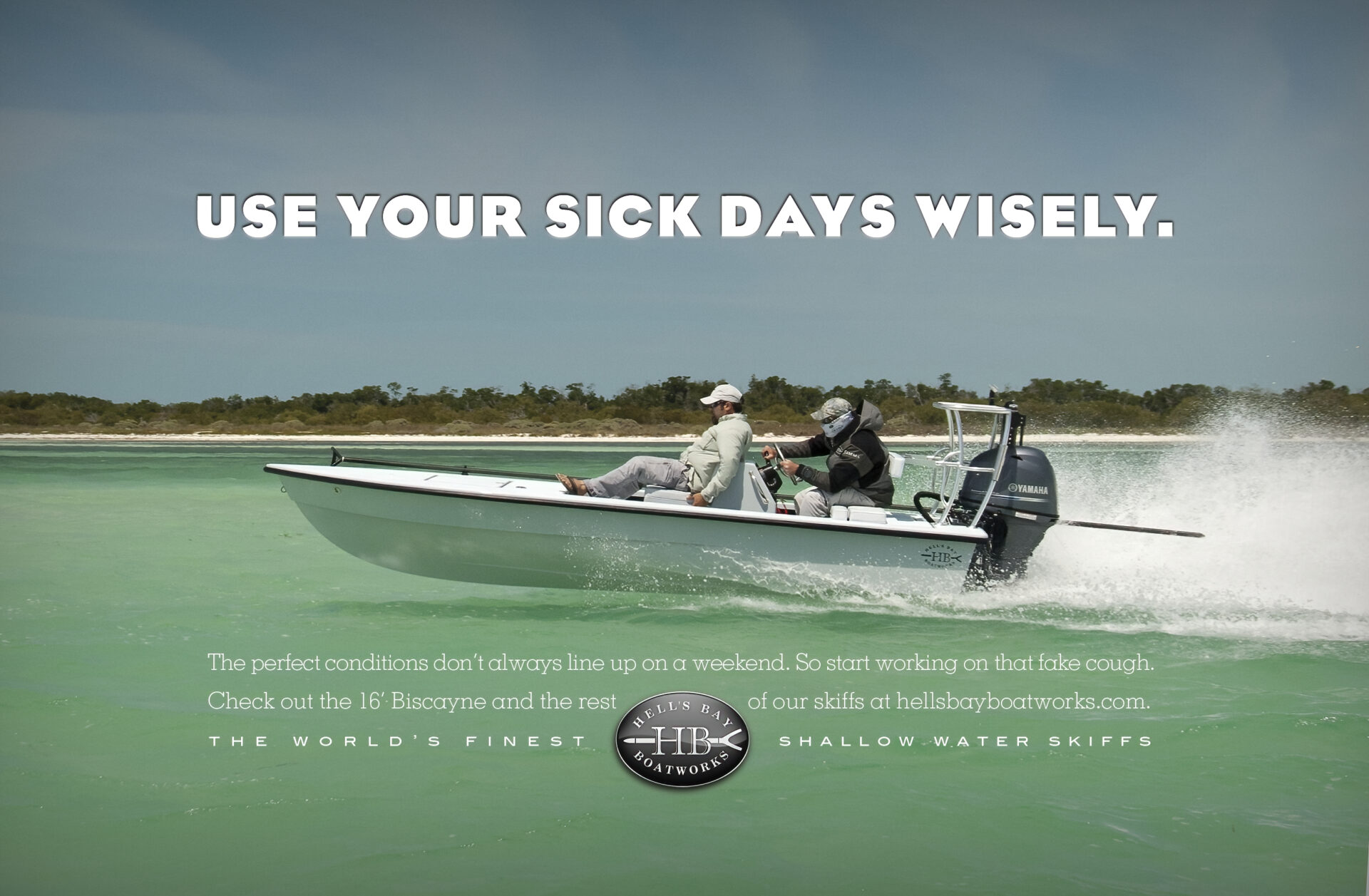
A Flats Skiff is a shallow-draft fishing boat designed to hunt fish in skinny water—quietly, precisely, and with minimal disturbance. Think clean casting decks, an elevated poling platform, and a hull that can “ghost” over water that would stop most boats.
Flats Skiffs live for technical water—flats, mangroves, lagoons, marsh edges, and the places where sight fishing is the whole game.
What makes a boat a Flats Skiff?
A true flats skiff is about mission. Most share a handful of non-negotiable aspects such as:
1) Shallow draft and low profile
The point is access. Flats boats/skiffs are built to float and operate in very shallow water, which usually means a shallow-draft hull and a low profile for stealth and visibility

2) Poling platform (for sight fishing)
A raised platform at the stern gives the operator height to spot fish and guide the boat quietly in shallow water

3) Clean casting decks and line management
Flats skiffs prioritize open, uncluttered decks so fly line or spinning line doesn’t snag on hardware.

4) Quiet matters more than comfort
Hull slap, rattling hatches, loose gear—those are fish spookers and will flush fish out like a covey of quail. Modern designs fight noise with smarter hull shapes, better fit/finish, and details like spray rails and dry hatches.
5) Shallow-water rigging
Many flats skiffs are set up for a jack plate, trolling motor, and shallow-water anchoring systems because positioning is half the battle in wind and current

Flats skiff misconception: “flats” doesn’t mean “flat-bottom”
A flats skiff isn’t necessarily a flat-bottom boat. Many use modified-V and other hull forms to balance draft, ride, and performance. Lower deadrise typically reduces draft but can ride harsher in chop—so designs are always a compromise between skinny-water access and real-world ride.
Technical flats skiff: where “technical skiff” fits in
A technical skiff is essentially the specialist end of the flats-skiff family: lighter, cleaner, and more focused on shallow-water fishability than anything else. The layout tends to be simple on purpose—less weight, less clutter, less noise.

That “purpose-built tool” mindset is why many serious sight-fishermen care about details like draft, silence, layout, and build quality more than they care about comfort features.

How to choose the right Flats Skiff
Step 1: Be honest about your water
- Mostly skinny flats/mangroves/marsh → prioritize draft, silence, and poling control.
- Regular open-bay crossings → prioritize ride, dryness, and stability in wind/chop
Step 2: Crew size matters more than most people admit
If you fish solo or two-up, you can go more “technical.” If you regularly fish three or four people, prioritize room, balance, and storage so the boat stays fishable.
Step 3: Know what the specs actually tell you
- Draft: shallow access potential (but remember—load and rigging matter).
- Beam: stability and usable deck space.
- Weight: affects draft, poleability, and efficiency.
- Hull design: where the compromise lands between draft and ride.
Step 4: Match the boat to how you actually fish
- Fly-heavy, line management critical → clean decks and minimal clutter.
- Windy environments → stability and positioning systems matter.
Where to go next
- Compare flats skiff models: “Flats skiffs lineup”
- If you fish ultra-technical water: Waterman, Eldora, Professional
- If you want comfort + capability: Marquesa, Guide, Marathon
Before you choose a flats skiff, it helps to understand where the category—and our approach to building skiffs—came from. This short film, Uncharted: The History of Hell’s Bay Boatworks, captures the roots of the boats and the people behind them, including one of our founders, the late Flip Pallot, and Pro Staff angler Capt. C.A. Richardson.
Flats Skiff FAQ
What is a flats skiff used for?
Primarily sight fishing in shallow water—poling quietly, spotting fish, and casting from clean decks in places most boats can’t reach.
How shallow can a flats skiff run?
It depends on hull design, rigging, load, and conditions, but flats skiffs are designed for very shallow-water operation and typically aim for shallow draft as a core feature.
Are flats skiffs good in rough water?
Some are built to handle chop better than others, but in general a flats skiff is optimized for shallow water and stealth more than comfort in big water. Bay boats—like the Estero—are typically built to ride open bays more comfortably.
Flats skiff vs flats boat — are they the same?
The terms are often used interchangeably. “Skiff” is sometimes used for simpler, more purpose-built shallow-water platforms, but the important factors are draft, layout, and mission.
Further reading:
- Hell’s Bay Waterman Skiff Overview
- Hell’s Bay Orvis Edition Skiffs
- Carbon Innegra composite explained
Planning your next Hell’s Bay build? Review our latest options ideas and list.
Then contact us — we’ll help you get started on your next Hell’s Bay, the World’s Finest Shallow Water Skiffs.
Afterwords, then start planning your days off…